Natural fibers have been around forever.
Literally.
For centuries, people have used materials like silk, cotton, wool, and linen to make clothing, home goods, and textiles. They come from plants and animals, making them completely natural (unlike synthetic fabrics, which are basically plastic… yep, plastic).
So why does this matter? Well, natural fibers are awesome for a few key reasons:
- Ever worn a polyester shirt on a hot day and regretted all your life choices? Natural fibers breathe. Cotton, wool, and linen keep you cool when it’s hot and warm when it’s cold. Plus, they just feel better—softer, cozier, and more adaptable to your body.
- Natural fibers are tough. Wool, cotton, and hemp can handle regular wear, washing, and use without falling apart. They don’t shrink into doll-sized versions of themselves (looking at you, cheap polyester) and they hold their shape over time. Basically, they’re built to last.
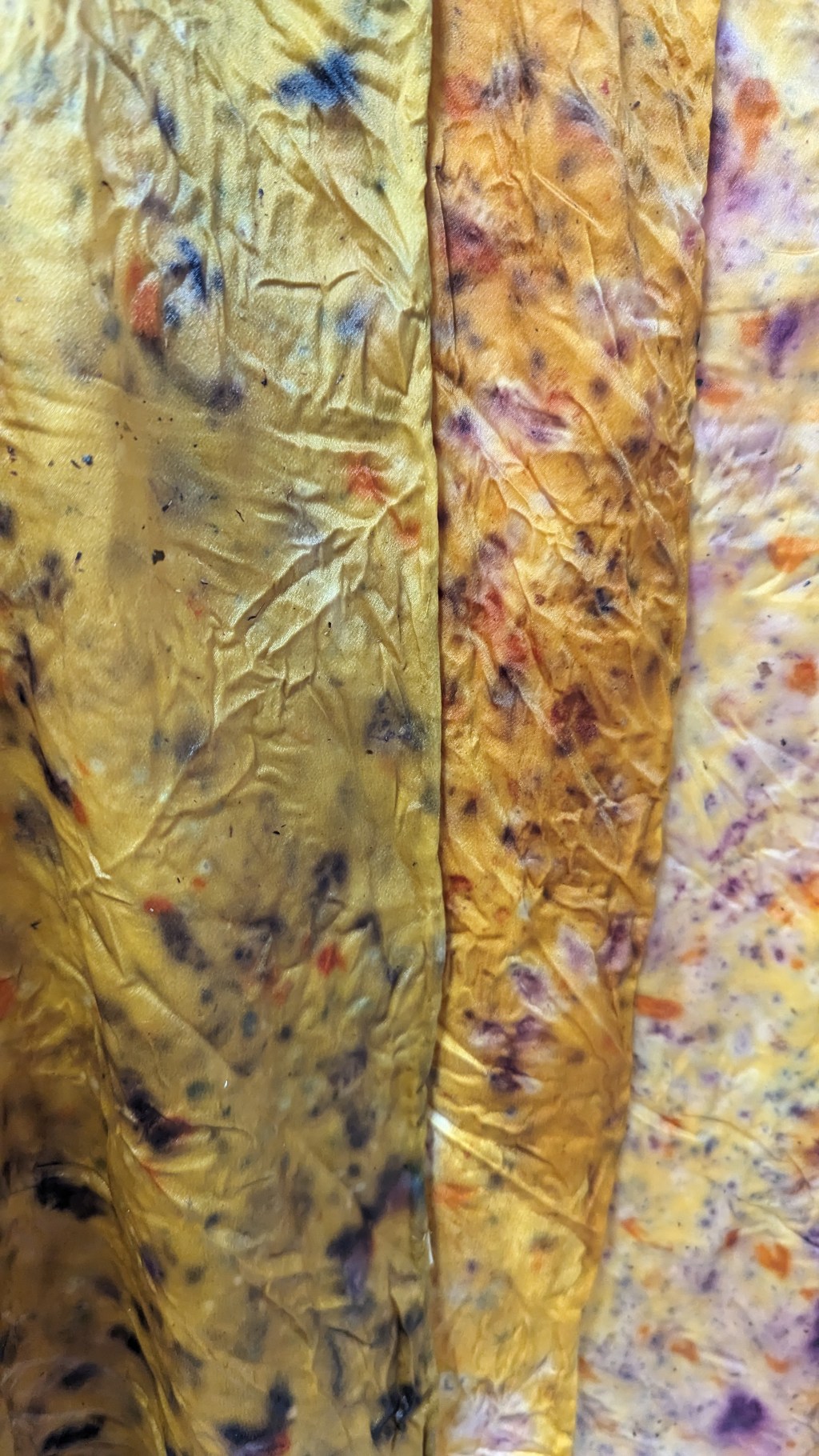
- Let’s be honest—natural fibers look better. They’ve got texture, warmth, and a timeless quality that synthetics just can’t fake. Plus, they can be dyed with plant-based dyes, creating gorgeous, muted tones that blend beautifully into any wardrobe or home décor.
- Here’s the big one: Natural fibers are way better for the planet. They’re biodegradable, meaning they break down naturally instead of sitting in a landfill for centuries. Meanwhile, synthetic fibers (remember, plastic…) take forever to decompose and shed microplastics into our environment every time they’re washed.
But it’s not just about what you buy—it’s about how you use it. Mending and repairing clothes instead of tossing them extends their life, cuts down on waste, and helps us appreciate what we own. When we take care of our belongings, we naturally start making more mindful choices about consumption.
So next time you’re shopping for clothes or home textiles, think about where your fibers come from. Natural materials aren’t just better for comfort, durability, and style—they’re also a small but mighty step toward a more sustainable future.
 Mary Ann Stewart