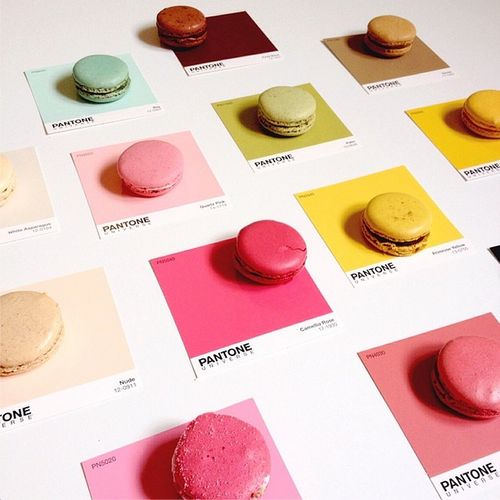
The Hidden Costs of Industry‑Sanctioned Norms in Color and Design
Pantone’s annual Color of the Year is often celebrated as a cultural forecast. But beneath the fanfare lies a deeper story: how industry‑sanctioned norms in fashion and design can limit creativity and carry real environmental costs.
Today, 60% of retail clothing is made from plastic (that’s your fossil‑fuel fibers like nylon, acetate, and polyester). And over 90% of textile dye applications rely on petrochemicals. While innovators are developing bio‑fabricated dyes, the industry’s dependence on synthetics continues to pollute waterways and generate microplastics.
Synthetic dyes have long delivered a rainbow of colors with year‑round consistency. The challenge now is finding bio‑based alternatives that can match this precision without the ecological damage. But fashion’s hyperactive trend cycles demand instant results, leaving little room for slower, regenerative solutions. And norms like Pantone’s annual Color of the Year only reinforce conformity, accelerating unsustainable practices.
🎨 Pantone’s Color of the Year as a Case Study
Pantone’s yearly announcement is framed as *cultural insight*, yet it often acts as a global directive. When one hue dominates design, it risks flattening creativity and sidelining grassroots movements in natural dyeing, regenerative craft, and local storytelling.
- Standardization vs. Authenticity
Pantone’s choices ripple across clothing racks, packaging, and digital design. For independent makers, this can feel less like inspiration and more like pressure to conform (Yahoo Shopping, WVU Today). - Commercial Influence
Critics argue the Color of the Year is driven more by marketing than meaning. The backlash against Pantone’s 2026 choice, Cloud Dancer, showed how audiences felt the pick was clinical rather than comforting, highlighting the gap between corporate branding and lived experience (Cosmetics Business). - Creative Homogenization
Instead of encouraging pluralism, these norms narrow the field of acceptable aesthetics, leaving grassroots movements and regenerative practices on the margins (world-today-journal.com, Hyperallergic).
🌱 Bio‑Fabricated Dyes: A Sustainable Alternative
While Pantone dictates trends, bio‑fabricated dyes and natural color practices offer another path. Research underscores the urgency:
- Up to 80% of dye‑containing wastewater is released untreated into waterways.
- Natural and bio‑fabricated dyes reduce reliance on toxic chemicals and microplastics.
- Microbial dyeing and biodegradable inks can cut water contamination and energy use.
- The revival of natural dyes is gaining traction as consumers demand eco‑friendly alternatives.
These findings remind us that moving beyond industry‑dictated palettes isn’t just aesthetic, it’s ecological.
🔑 Why Independent Creators Resist Industry Norms
For fiber artists, artisans, and small studios, resisting industry norms is about more than color. It’s about values. Choosing hues rooted in place, ritual, and ecology challenges the idea that creativity must follow corporate dictates. It’s a way of reclaiming agency and reminding audiences that authenticity outlasts trend cycles.
✨ Community‑Rooted Palettes as Authentic Color Stories
Instead of following Pantone’s decree, imagine palettes drawn from local landscapes, seasonal rituals, and regenerative practices. These colors carry lived experience, not corporate branding. They remind us that true color stories aren’t dictated from above, they grow from the ground we share.
Additional Sources & FYI
- Nature Reviews: 80% of dye‑containing wastewater released untreated
- Microplastic fibres from synthetic textiles: Environmental degradation and additive chemical content. – Abstract – Europe PMC
- Smart Modelling of a Sustainable Biological Wastewater Treatment Technologies: A Critical Review | MDPI
- Conveying Natural Dyes in the Fashion Industry Through a Design-Driven Innovation | SpringerLink
- Pantone website: PANTONE® USA | Color Solutions, Trends, Guides & Tools
- Forbes: Every Pantone Color Of The Year From 2000 To 2025
# # #
 Mary Ann Stewart