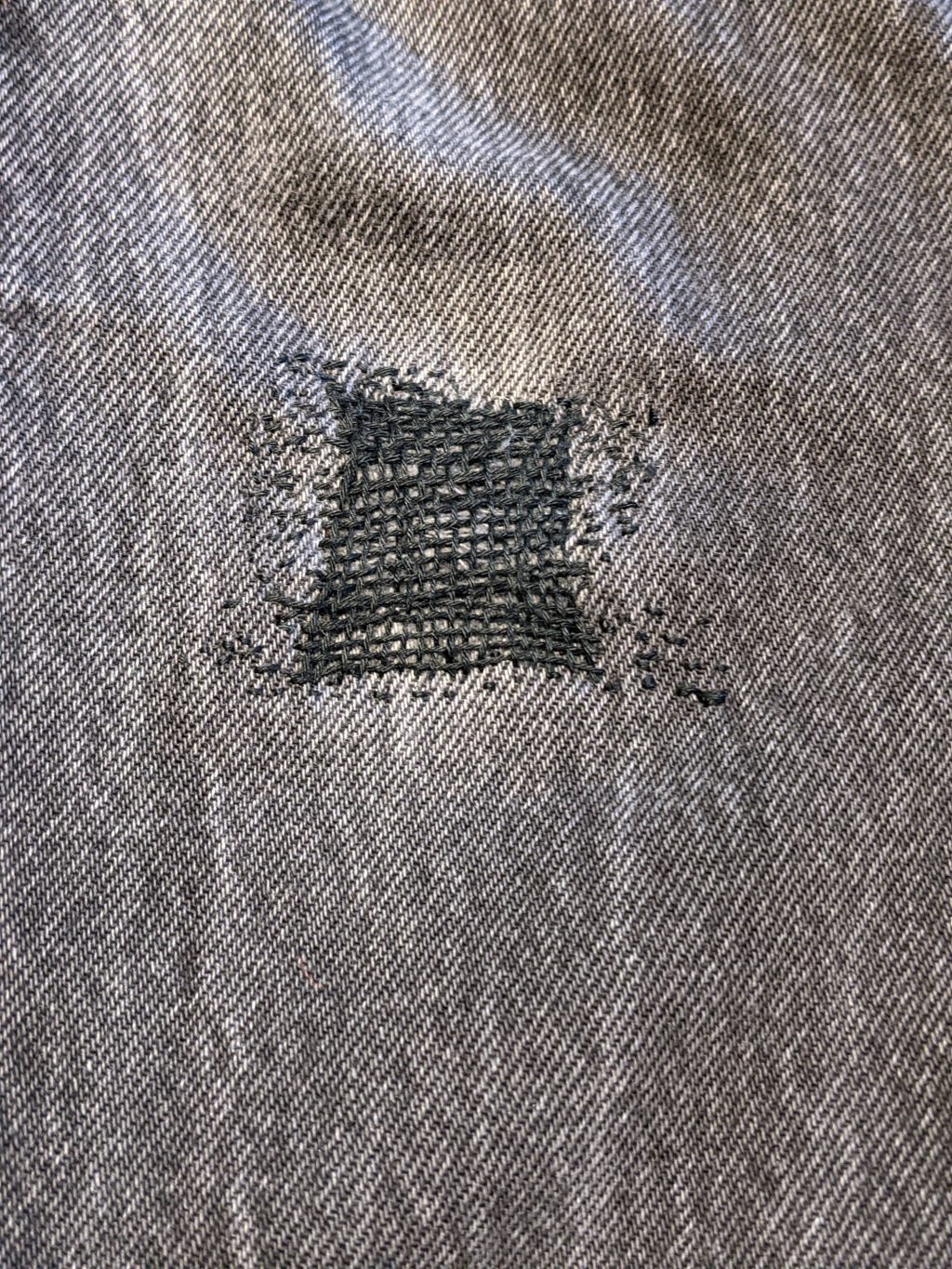
If you’re a fiber artist, textile waste policy might sound distant, abstract, or like something only big brands need to worry about.
But the truth is: what’s happening now, especially in the EU, will shape materials, markets, and expectations for artists everywhere.
Here’s what’s changing, and what it means for you.
The Big Picture
In plain terms, textiles are one of the fastest-growing waste streams in the world. Most clothing and household textiles end up in landfills or incinerators, even when they’re reusable or recyclable.
Governments are beginning to respond by shifting responsibility away from cities and charities and toward the producers of textiles.
That shift is already happening in Europe and it’s coming, slowly, to the U.S.
1. What’s Happening in the EU
What changed in December 2025?
The European Union began rolling out a mandatory textile waste system that applies to anyone selling textiles into the EU, no matter where they’re based.
Key changes:
- Textiles must be collected separately (not thrown in the trash)
- Producers are responsible for the waste their products create
- Brands must pay for collection, sorting, reuse, and recycling
- Better-made, longer-lasting textiles are rewarded with lower fees
- Cheap, disposable textiles cost producers more
This is called Extended Producer Responsibility (EPR).
Why this matters to fiber artists
Even if you don’t sell into the EU:
- Large brands will change materials, sourcing, and messaging
- Markets will value durability, repairability, and reuse
- Transparency about materials will increase
- The narrative will shift from “cheap + fast” to “made to last”
In other words: the values fiber artists already hold are becoming policy-driven priorities.
2. The United States: Where Things Stand Now
Is there textile EPR in the U.S.?
Nope, not yet.
As of late 2025:
- There is no federal textile waste law
- Textiles are still treated as everyday trash
- Cities and nonprofits carry most of the burden
- Donation systems are overwhelmed
However:
- States are studying textile waste
- NGOs are drafting model laws
- Brands are preparing for EU rules that affect global supply chains
The U.S. is behind, but moving.
3. Massachusetts: A State Ahead of the Curve
Here in Massachusetts, you’re already living with some of the strongest textile waste rules in the country.
What’s already in place:
- Textiles are banned from landfills and incinerators
You’re not supposed to throw textiles away, even worn or damaged ones. - The state officially recognizes textiles as a priority waste stream
This is written into Massachusetts’ long-term waste and climate plans. - MassDEP supports textile reuse and recycling programs
Including municipal collections and pilot projects.
What’s missing
Massachusetts does not yet have producer-funded textile EPR, which means:
- Responsibility still falls on individuals, towns, and nonprofits
- Artists often absorb costs and confusion
But the groundwork for EPR is already being laid.
What This Means for Fiber Artists (Practically)
You are not the target of these policies, but you are part of the ecosystem.
Here’s how this shows up in real life:
Materials
- More attention to fiber origin, blends, and recyclability
- Growing interest in natural, mono-material fibers
- Increased value placed on reclaimed and reused textiles
Markets
- Stronger storytelling around longevity and care
- More demand for repair, reuse, and transformation
- Increased skepticism of “fast” textile goods
Your Role
Fiber artists are uniquely positioned to:
- Model slow, intentional making
- Teach repair and reuse
- Translate policy shifts into human-scale practices
- Advocate for systems that support makers, not just manufacturers
What You Don’t Need to Do
Let’s be clear:
- You do not need to become a policy expert
- You do not need to solve textile waste alone
- You do not need to feel guilty for making
This shift is about systems, not individual perfection.
What You Can Do
If you want to engage thoughtfully:
- Stay informed (without doom-scrolling)
- Choose materials intentionally when possible
- Talk openly about longevity and care
- Support reuse and repair economies
- Join conversations about future EPR policies, especially at the state level
The Bottom Line
Textile waste policy is catching up to what fiber artists have always known:
Materials matter. Care matters. Longevity matters. And support systems matter.
As these policies evolve, fiber artists aren’t being pushed out, they’re being recognized as part of the solution.
And the more clearly we understand what’s changing, the more agency we have in shaping what comes next.
 Mary Ann Stewart