I’ve learned so much from the slow food movement. Lessons about care, community, and climate that have reshaped how we eat and how we relate to the land.
Farm‑to‑table isn’t a trend; it’s a return to relationship. It’s a reminder that local supply chains and seasonal rhythms can nourish us far beyond the plate.
But when it comes to what we wear, most of us are still caught in long, extractive pipelines that disconnect us from the people and places behind our clothing.
It’s time to bring those same regenerative principles to fashion.
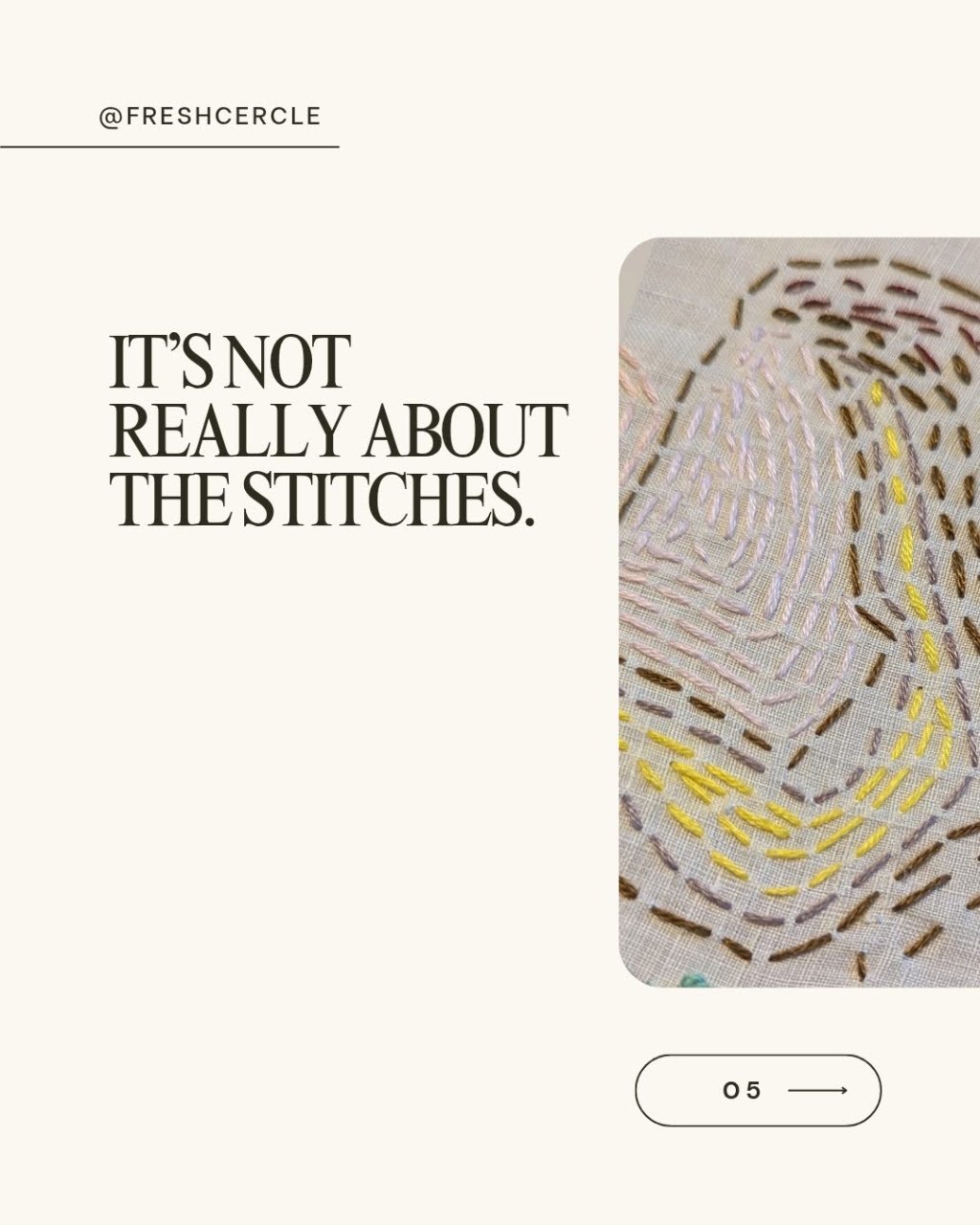
Slow fashion is fiber’s answer to farm‑to‑table. It’s a movement rooted in place, justice, and deep systems repair. It asks us to shorten supply chains, honor artisan labor, and support climate‑beneficial agriculture. It’s not just about mending torn seams, it’s about mending the frayed relationships between people, policy, and planet.
Across the world, place‑based textile systems known as fibersheds are quietly transforming how clothing is grown, dyed, sewn, and eventually returned to the earth. By connecting farmers, mills, dyers, and makers into regional networks, fibersheds offer a blueprint for circular, regenerative manufacturing.
Here in Massachusetts, we’re already seeing this shift take root. From local wool co‑ops to educational programs that weave sustainability into career pathways, this isn’t niche work. It’s necessary work.
And yet, recent federal budget cuts have threatened clean energy jobs and regional manufacturing grants, slowing progress at a moment when we need to accelerate.
Instead of retreating, we can recalibrate.
Advocacy for regenerative industry must include not only technology, but textiles.
Not only policy, but people.
Education is infrastructure. If we want a regenerative future, our learning pathways need to reflect it. Massachusetts’ Innovation Career Pathway Program already gives students hands‑on access to fields like advanced manufacturing and clean energy. But there’s room to go further, to integrate circularity, climate resilience, and creative repair into the curriculum. Students can learn not only how to produce, but how to regenerate.
Imagine high schoolers co‑designing climate‑smart garments from local wool.
Imagine public schools partnering with regional fiber mills.
Imagine economic development that strengthens communities without exploiting them.
This is the promise of regenerative fashion, not as an aesthetic, but as an ethic.
What we wear isn’t separate from the land we love or the systems we inhabit. Our clothing reflects how we care, how we extract, and how we choose to renew. In a time of planetary urgency, even the smallest thread matters.
By stitching slower and smarter, we’ll stitch futures that hold.
 Mary Ann Stewart