Natural fibers have been part of our lives for centuries.
We’ve worn them, slept under them, cooked with them, and passed them down through generations.
These fibers, grown from plants and animals, aren’t just materials. They’re part of our story. And they still matter deeply today, especially as we rethink how we make and wear our clothes.
One of the biggest reasons people love natural fibers is simple: they feel good.
Cotton, linen, wool — these are breathable, soft, and comfortable in a way synthetics just aren’t. (And it makes sense. Most synthetics come from fossil fuels, which means we’re basically wrapping ourselves in plastic…ugh) Natural fibers help regulate temperature, they move with you, and they just feel better on the skin.
They’re also surprisingly tough. Wool, cotton, linen — these fibers hold up to daily wear, regular washing, and real life. They resist fading and shrinking, and they keep their shape longer.
When you choose natural fibers, you’re choosing things that last.
And then there’s the beauty of them. Natural fibers have a warmth and texture that synthetics can’t fake. They carry the look and feel of the land they came from.
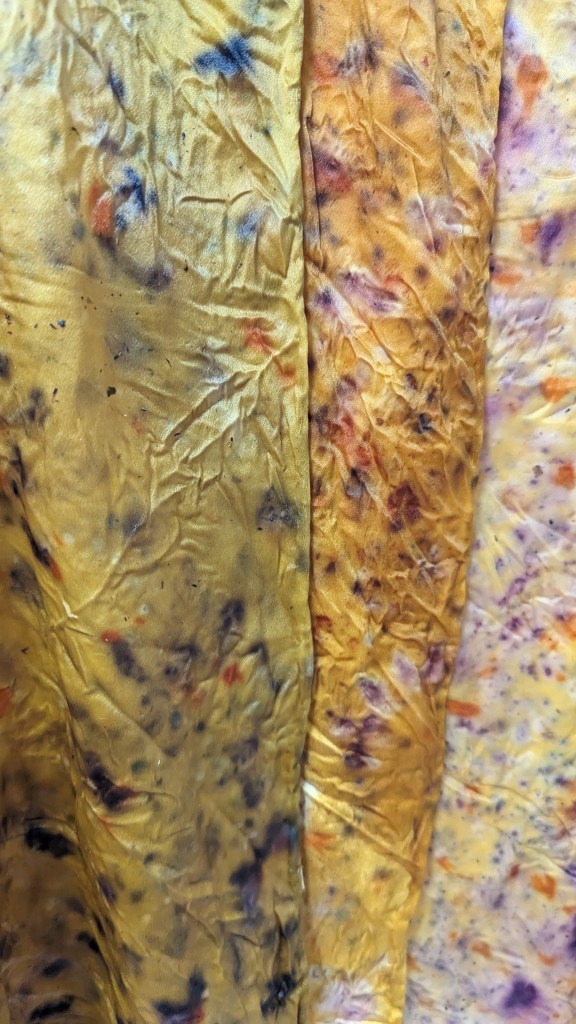
They take on plant-based dyes in soft, earthy tones.
They age gracefully.
They tell stories.
But maybe the most important thing about natural fibers is their relationship to the planet. They’re biodegradable. When their useful life is over, they can return to the soil. Synthetics, on the other hand, can sit in landfills for hundreds of years.
Producing natural fibers also tends to require fewer harsh chemicals and less energy, which means a smaller carbon footprint from the start.
And then there’s the part we often forget: what we do with our clothes once we own them. Mending and repairing is one of the most powerful sustainability practices we have. Instead of tossing something the moment it rips or wears thin, we can fix it. We can extend its life. We can slow down our own consumption.
Mending also changes our relationship to our things. When we take the time to repair something, we start to care about it differently. We notice the stories it holds. We feel a sense of pride and connection. And that awareness naturally shifts how we consume.
When we choose natural fibers, and when we mend, repair, and care for what we already have, we’re participating in a more thoughtful, more sustainable way of living. We’re saying yes to materials that honor the earth, and yes to habits that reduce waste and keep our clothes in use longer.
It’s a small shift with a big impact.
 Mary Ann Stewart